Technology and features External doors

Construction, standard specification and the full list of features. What is the same in every model in the catalogue, whatever it looks like.

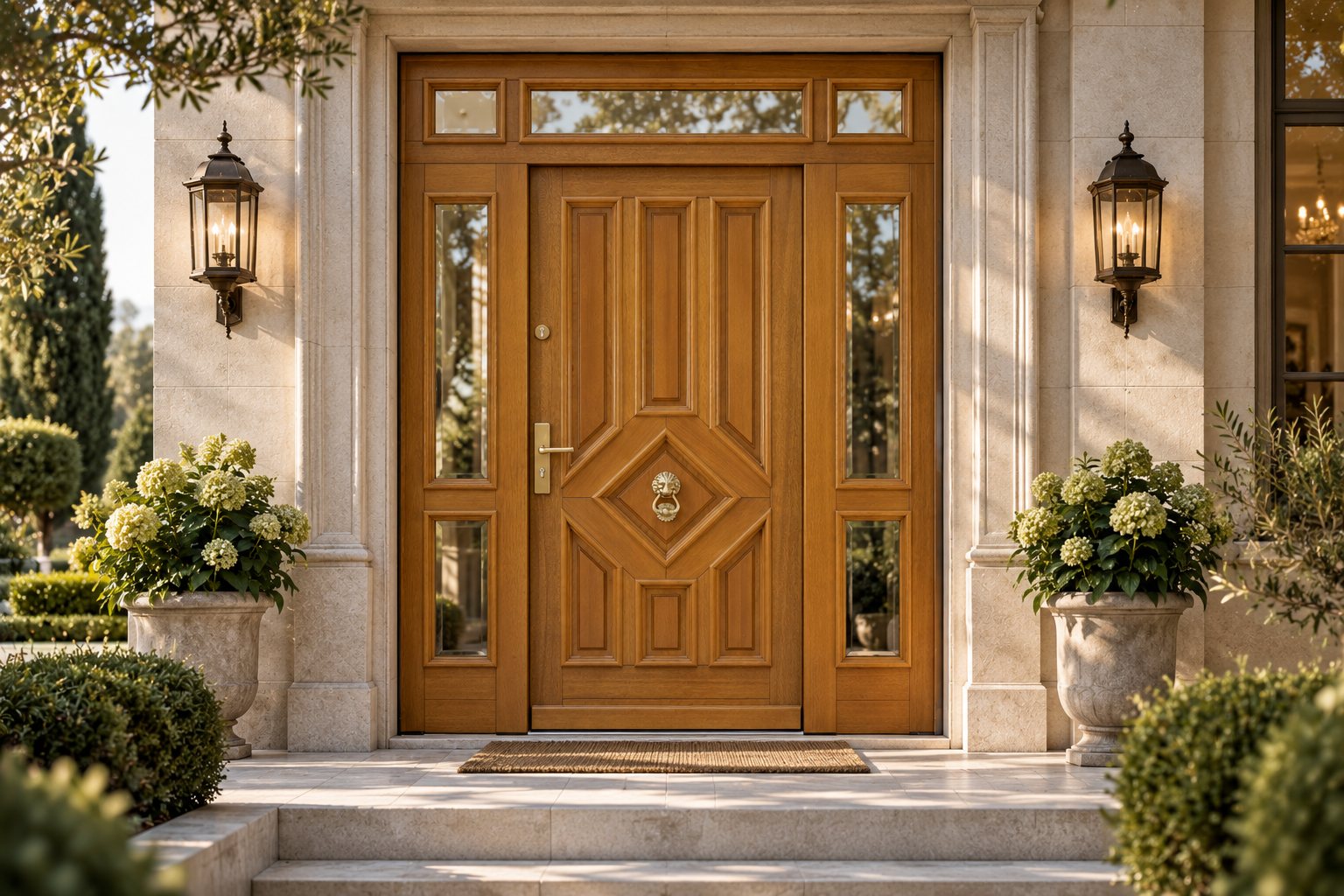
Timber external door from the Classico collection with side lights and a fanlight, visualisation

Technology

Leaf construction, common to all models in the catalogue.

Three leaf thicknesses

We make the door leaves exclusively from laminated solid timber, and the panels are made of engineered (multi-ply) board. This construction gives stability and resistance to the natural movement of the timber. We offer three leaf thicknesses, 68, 78 and 92 mm, all as standard. We choose the thickness to suit the thermal and acoustic requirements of the project and the character of the house.

Swipe sideways to compare the three thicknesses

Leaf thickness68 mm78 mm92 mm
Laminated sectionthree-layerfour-layerfour-layer
Uw valueUw = 1.4 W/m²KUw = 1.1 W/m²KUw = 0.9 W/m²K
Sound insulationRw = 35 dBRw = 35 dBRw = 33 dB
Energy efficiencygoodhighhigh
Charactertraditional versionenergy-efficient versionpassive house version

Which thickness to choose

68 mm. The slimmest profile, with classic proportions. It works well in renovations and in projects of a traditional character, where faithfulness to historic proportions matters, and it also offers the highest sound insulation in this comparison.

78 mm. A profile with increased thermal insulation that keeps a balanced form. The most common choice for new houses, combining thermal and acoustic comfort with a timeless look.

92 mm. The widest profile, designed for energy-efficient and passive houses. The deep frame takes triple glazing and gives the lowest Uw value in our range, for investors who want the lowest possible heat loss.
Standard features

Items included as standard with every external door.

Standard specification

A high standard from the first choice

Every ABA Wiktorczyk external door combines, as standard, natural timber, careful finishing and solutions that provide comfort, durability and security in everyday use.

Whichever model you choose, you get a well-thought-out construction and fittings based on proven components from reputable manufacturers. We describe each solution in detail in the sections that follow.

  • TimberMeranti, pine, larch or oak – suitably prepared and laminated to give a stable construction.
  • Surface finishA four-coat protection system for the timber, which gives a durable finish and brings out its natural character.
  • Safe glazingIn glazed models we use class P4 security glass as standard.
  • Double sealTwo seals support the tightness of the door and the thermal comfort of the interior.
  • FUHR automatic multipoint lockOnce the door is pulled to, the additional locking points engage automatically – without having to turn the key every time.
  • Security cylindersA class C cylinder, part of the door security system.
  • Simonswerk BAKA Protect hingesSturdy recessed Simonswerk hinges.
  • HOPPE London handleA classic form combined with a solution that increases the protection of the lock area of the door.
  • Thermally broken thresholdA low threshold designed for easy use and for limiting heat loss at the bottom of the door.

Solid timber

Timber is the basic material of our windows and doors. We use carefully selected pine, larch, meranti and oak, matching the species to the construction, the character of the project and the visual effect expected.

Find out about the timber we make our joinery from

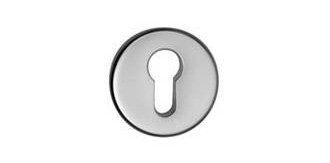
Security escutcheon

The escutcheon protects the cylinder. With its steel reinforcement and no fixings on the outside, it is one of the most important components that make a break-in harder.

Security escutcheon covering the cylinder

Handles and knobs

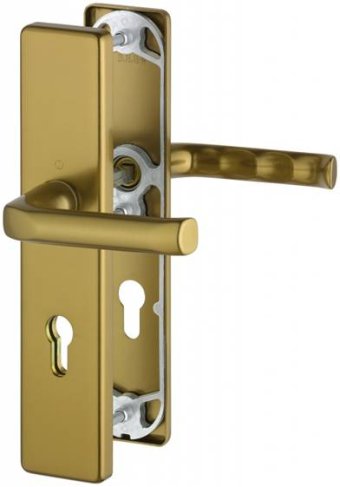
As standard we use the HOPPE London handle with a drill-resistant backplate, i.e. a steel reinforcement of the outer part of the backplate. The backplate has no fixings on the outside, which keeps access to the cylinder difficult.

It also matters that the cylinder sits as flush as possible with the backplate. The cylinder then cannot be pulled out from the outside and is harder to drill.

In the standard version, two layouts are available at no extra cost: a handle on both sides, or a handle inside and a fixed knob outside. The second layout means that the door can only be opened from the outside with a key.

Handle with a drill-resistant backplate in gold

Security cylinders

As standard, the doors are fitted with two certified class C cylinders. Cylinders in this class have additional protection:

  • hardened pins
  • anti-drill protection
  • a ring that protects the cylinder against being pulled out or snapped
  • a lock-out triggered by an attempt to open it with a different key

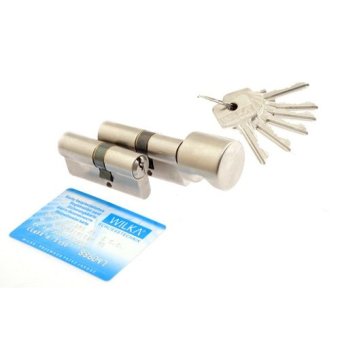
Controlled key duplication adds further protection: an additional key for the Wilka cylinder can only be cut with the security card supplied with the cylinder.

Class C security cylinder with keys and security card
Class C cylinder with its security card, without which no key can be cut

Multipoint lock

Secure locking of the door the moment it is closed.

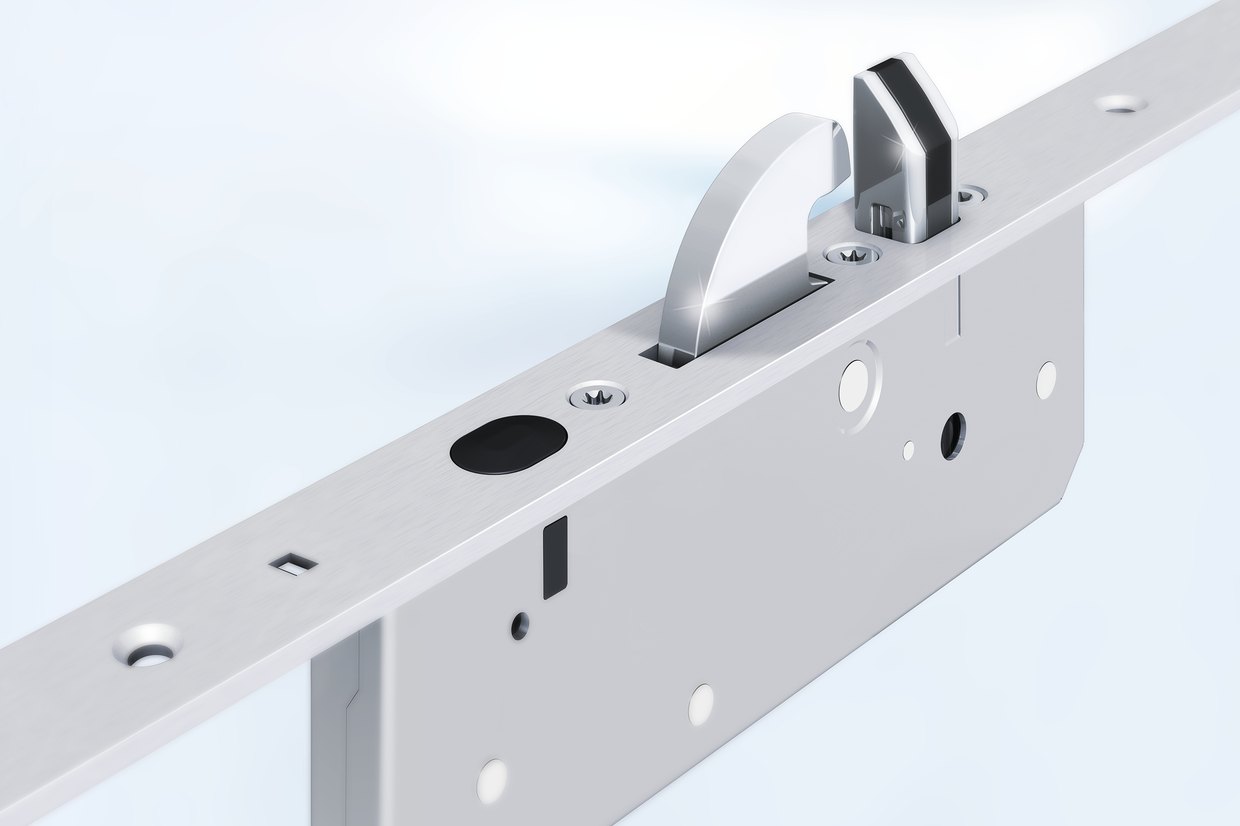
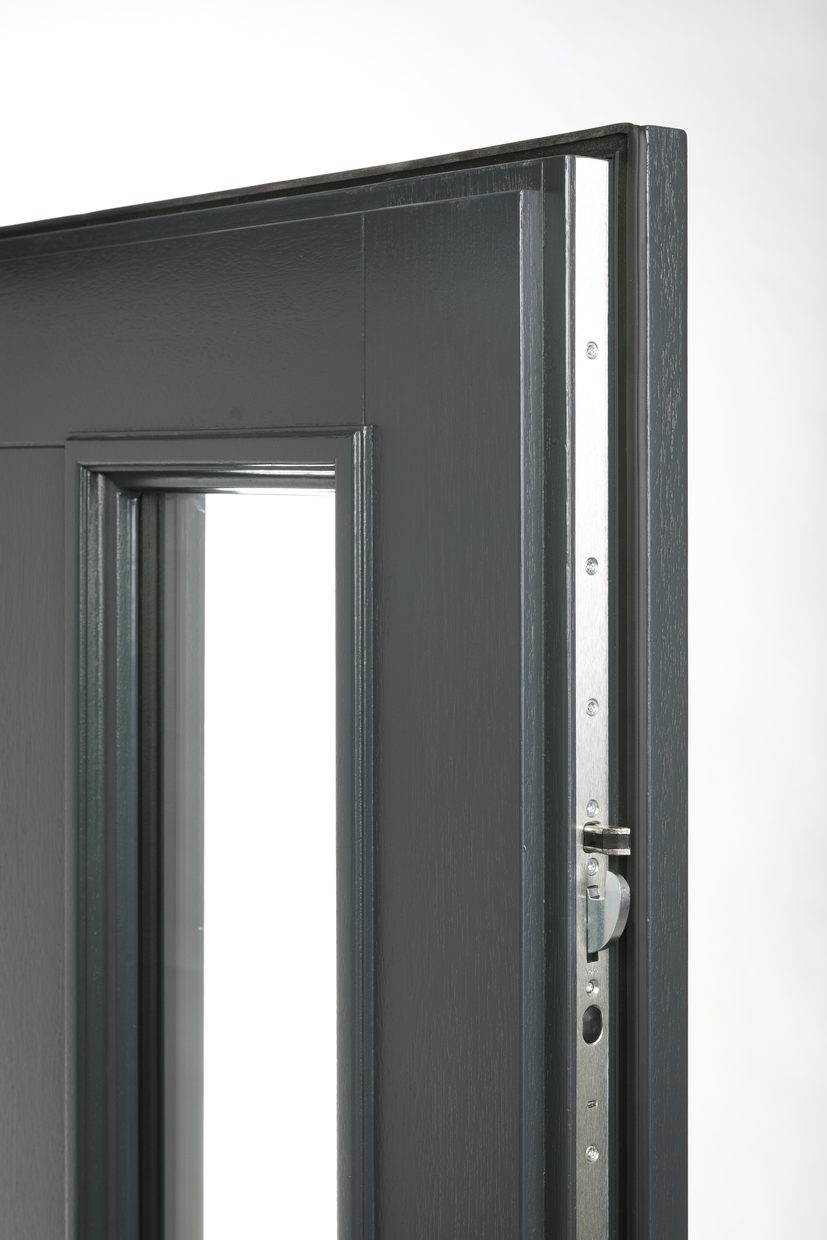
ABA Wiktorczyk external doors are fitted as standard with an automatic multipoint lock from FUHR. Once the door is pulled to, the additional locking points extend automatically – without having to turn the key.

Multipoint locking increases security and at the same time presses the leaf evenly against the outer frame. In this way it helps keep the door stable and airtight and limits the natural movement of the leaf.

Faceplate of the automatic FUHR multipoint lock with the hook and locking bolt extended
Bolts and hooks: once extended, secured against being pushed back
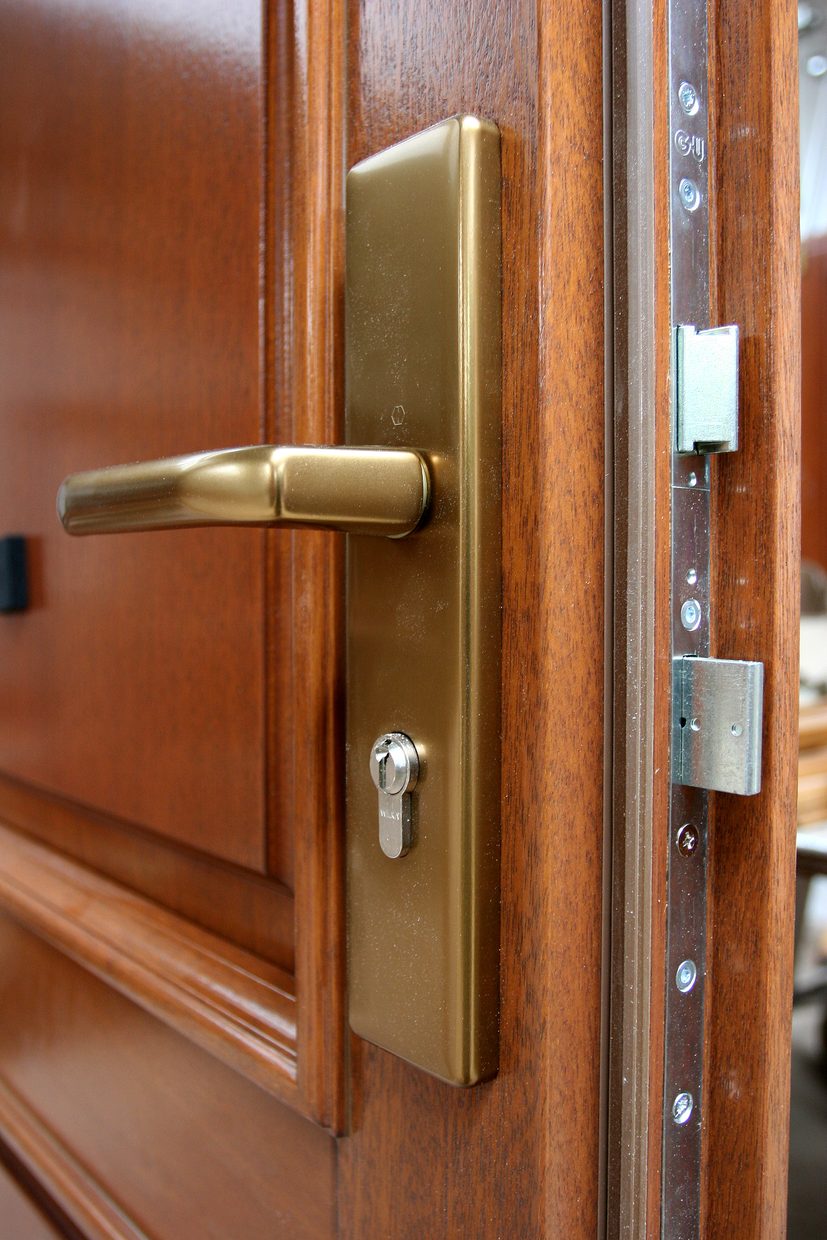
Edge of a timber leaf with the multipoint lock strip, hooks and a gold handle on a backplate
Lock strip with hooks beside the handle
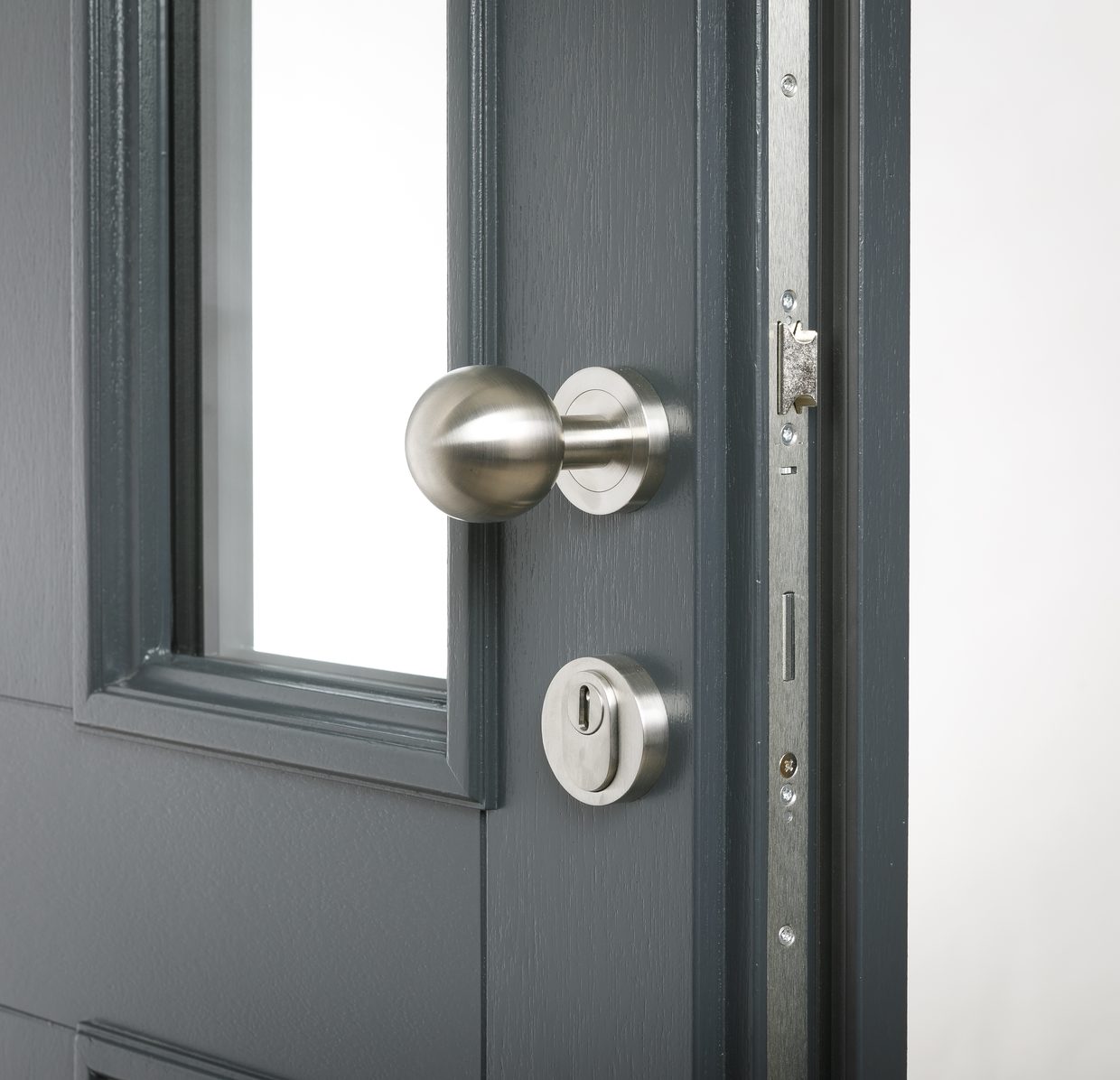
Edge of a grey leaf with the multipoint lock strip next to the knob and cylinder escutcheon
Lock strip beside the knob and cylinder
Grey door leaf with the multipoint lock strip running along its edge
Lock strip along the edge of the leaf

Automatic locking

Once the door is closed, the mechanism automatically engages the additional locking points. The solution combines bolts with hooks which, once extended, are secured against being pushed back.

This means there is no need to remember to turn the key every time to engage the extra locking.

Security, airtightness and comfort

The automatic locking works every time the door is closed properly. Multipoint compression of the leaf supports its stability and helps keep the door airtight in everyday use.

You close the door. The lock secures it automatically.

Hinges

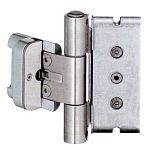
We use Simonswerk BAKA 4010 FD recessed hinges with a load capacity of 160 kg on three hinges. They allow the leaf to be adjusted in three planes, so even a heavy door leaf can be set precisely. In outward-opening doors, we also fit the hinges with hinge-side security.

Unlike a screw-in hinge, a recessed hinge is fitted into pockets routed into the leaf and the frame. Its body stays concealed and there are no fixings on the outside. This gives a cleaner, more elegant look and makes tampering from the outside harder. In the FD version, the rebate seal runs uninterrupted through the hinge body, so no leakage gap forms at the hinges.

We finish the hinges with cover caps matched to the colour of the door, in antique gold, silver, black or white. All of these solutions come as standard.

Simonswerk recessed hinge

P4 glass

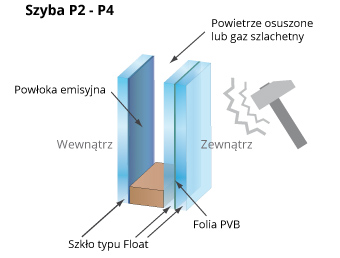
In glazed models we use safe class P4 security glass as standard, in a clear version. To order, we can fit the door with any available glass, whether patterned, stained or crystal glass, chosen to suit the style of the interior and the facade. On request, we complete the door with any accessories available on the market.

Cross-section of a P4 security glass unit with layers of PVB film
Unit build-up: 4 mm pane, four PVB films, 4 mm pane

Door threshold

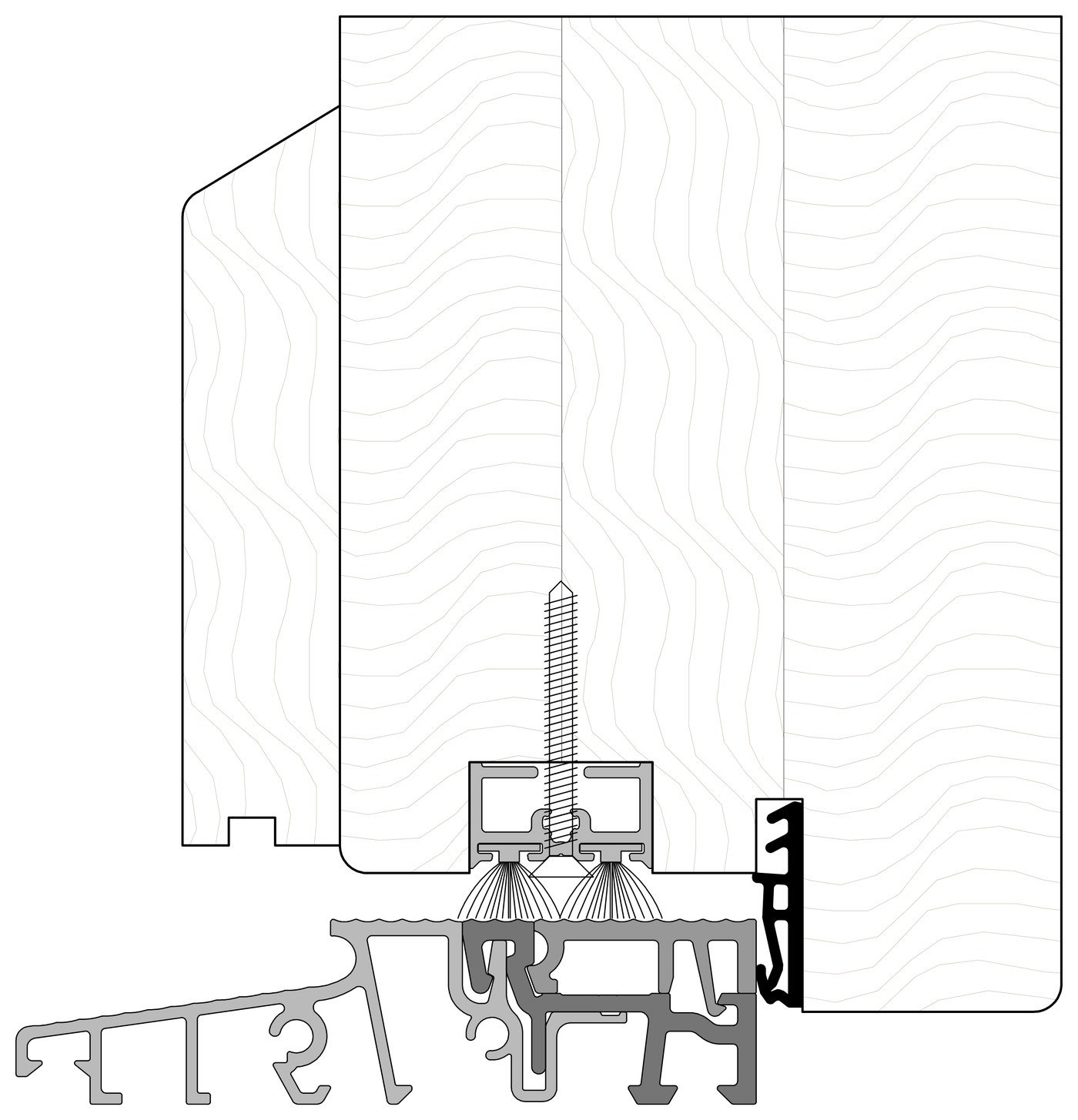
We use a low, thermally broken threshold, designed for easy passage and for limiting heat loss at the bottom of the door. The low threshold makes everyday use easier, including for older people and children, and the thermal break limits the cold bridge at floor level.

Cross-section of the bottom of a 78 mm external door leaf on the thermally broken threshold, with a seal and two brush seals
Cross-section of the thermally broken threshold, 78 mm leaf
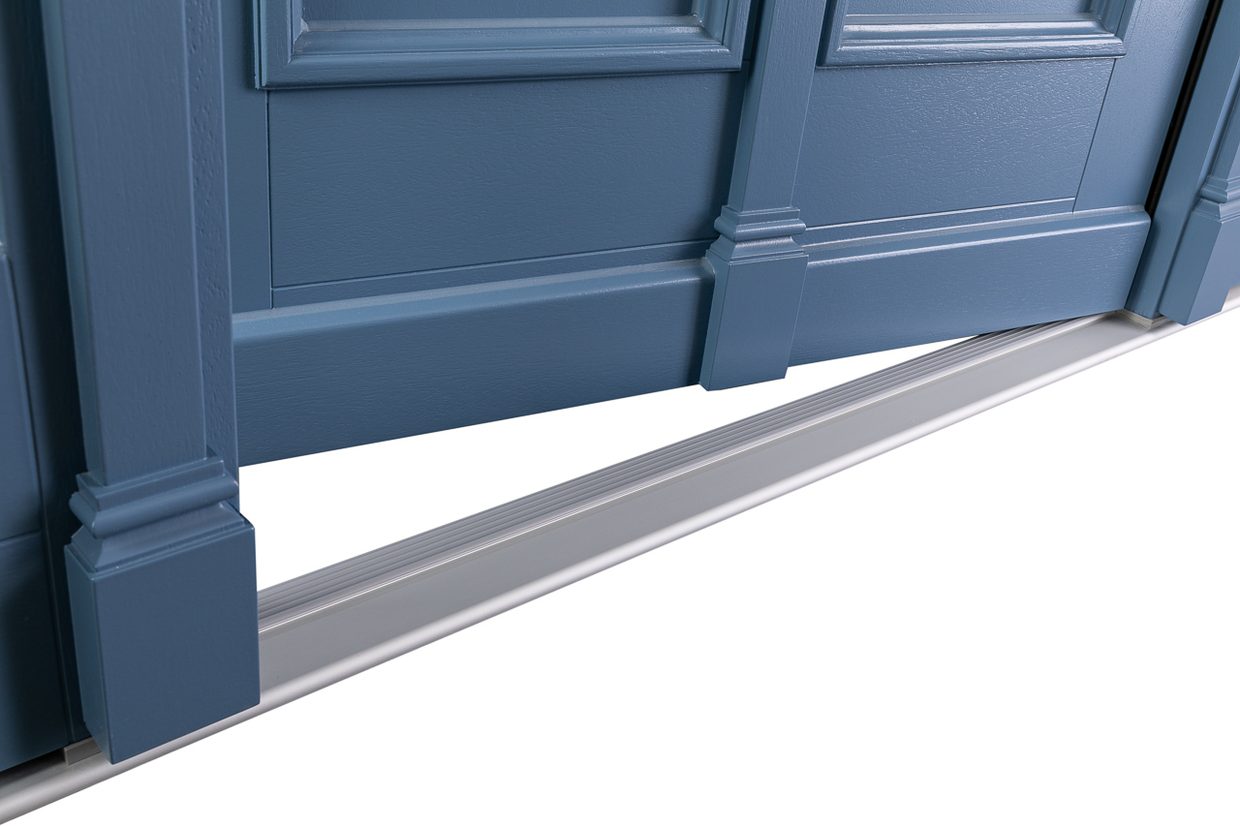
Aluminium threshold beneath a blue double door
Threshold on a double door

Optional extras

Solutions chosen for a specific project, beyond the standard specification.

Doors in speciality timbers

At extra cost, we make external doors from any exotic timber species available on the European market, including American oak, Polish oak and dussie.

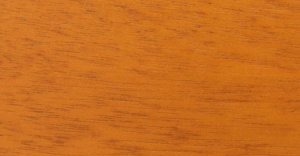
Majau

A timber mainly from Brunei, known in the trade as Asian mahogany. A density of 580 to 850 kg/m³ gives the doors durability and high resistance to the weather, and connoisseurs value this species above all for its grain.

Glass and stained glass

Any door can be fitted with patterned, reflective or sandblasted glass, or with stained glass. With patterned glass and stained glass, the decorative elements sit inside the sealed unit, so they are easy to maintain.
We also make stained glass to a bespoke design.

Glazed external doors

Glazing enhances the look of external doors with fine detail and lets daylight into the room. Front doors with glazing give a house a distinctive character, delight the household and catch the eye of guests.
Glazing made of security glass, together with suitable hardware and anti-lever protection, can also make the home more secure, working much like a door viewer: it lets you see who is on the other side of the door.
We make external doors with every type of glazing: with a sidelight, with two sidelights, and with straight or arched toplights.

Handles and accessories

In addition to the standard set, a wide range of traditional and decorative handles and door pull handles is available, for example HOPPE Amsterdam and HOPPE Munchen models. We also fit doors with door viewers.

Optionally, doors can be fitted with a door closer, an electric strike with or without connection to the intercom, and a fingerprint, card or keypad reader.

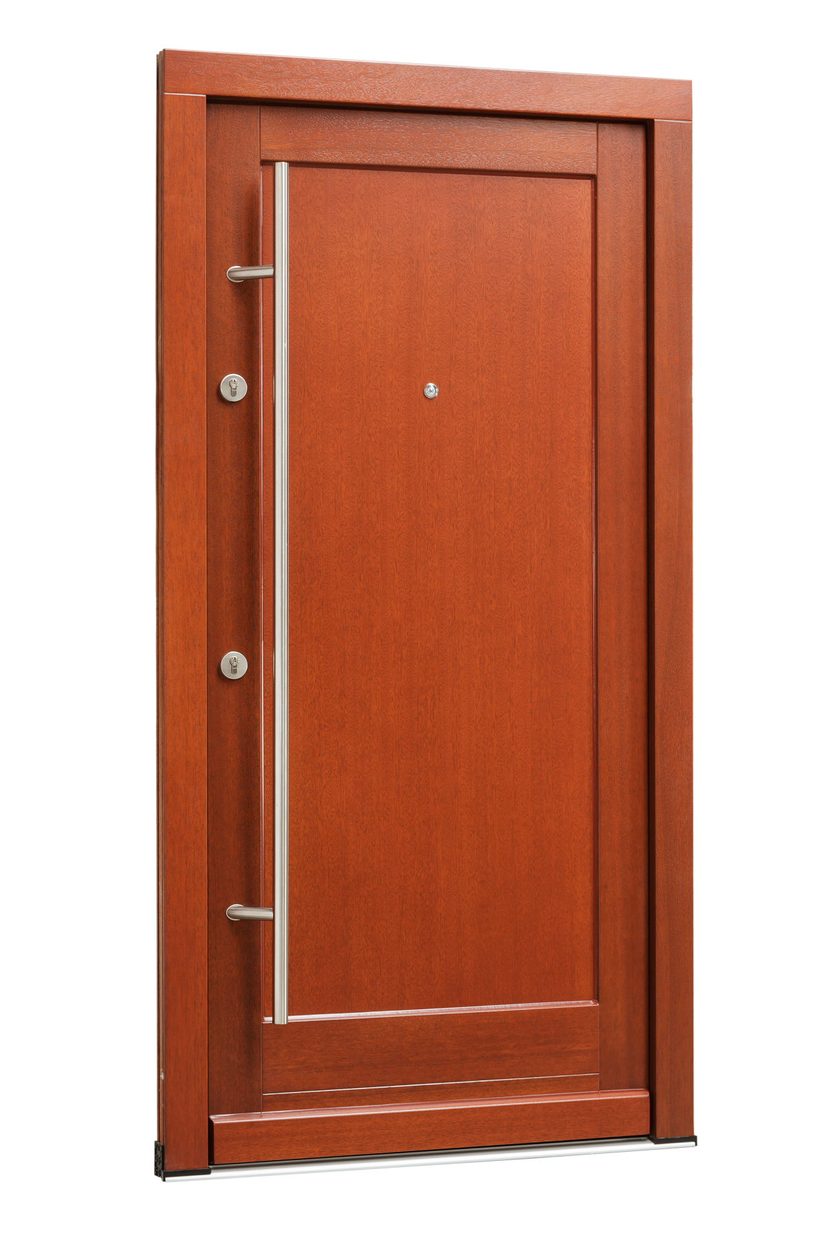
Long, round pull handle in silver on a door in a warm wood tone
Long pull handle
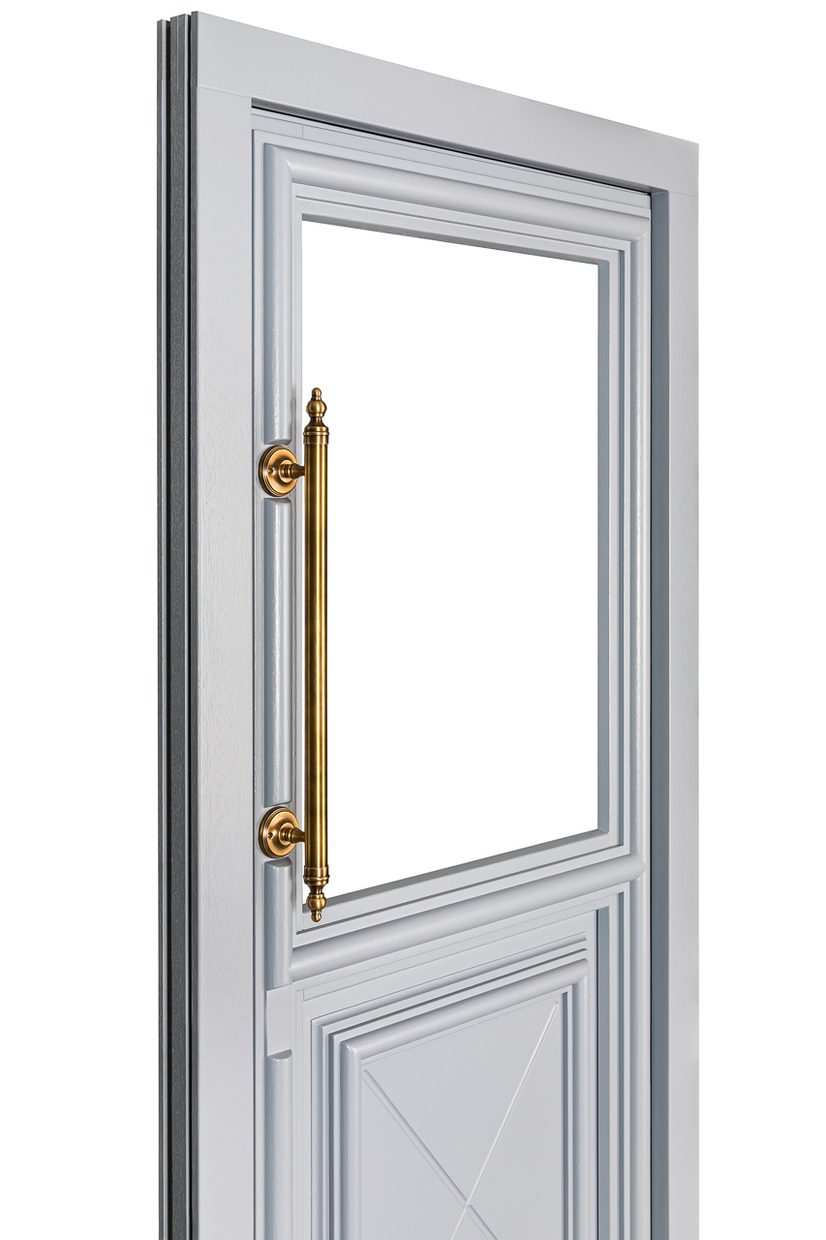
Pull handle in gold on a light grey door with a glazed panel
Pull handle in gold
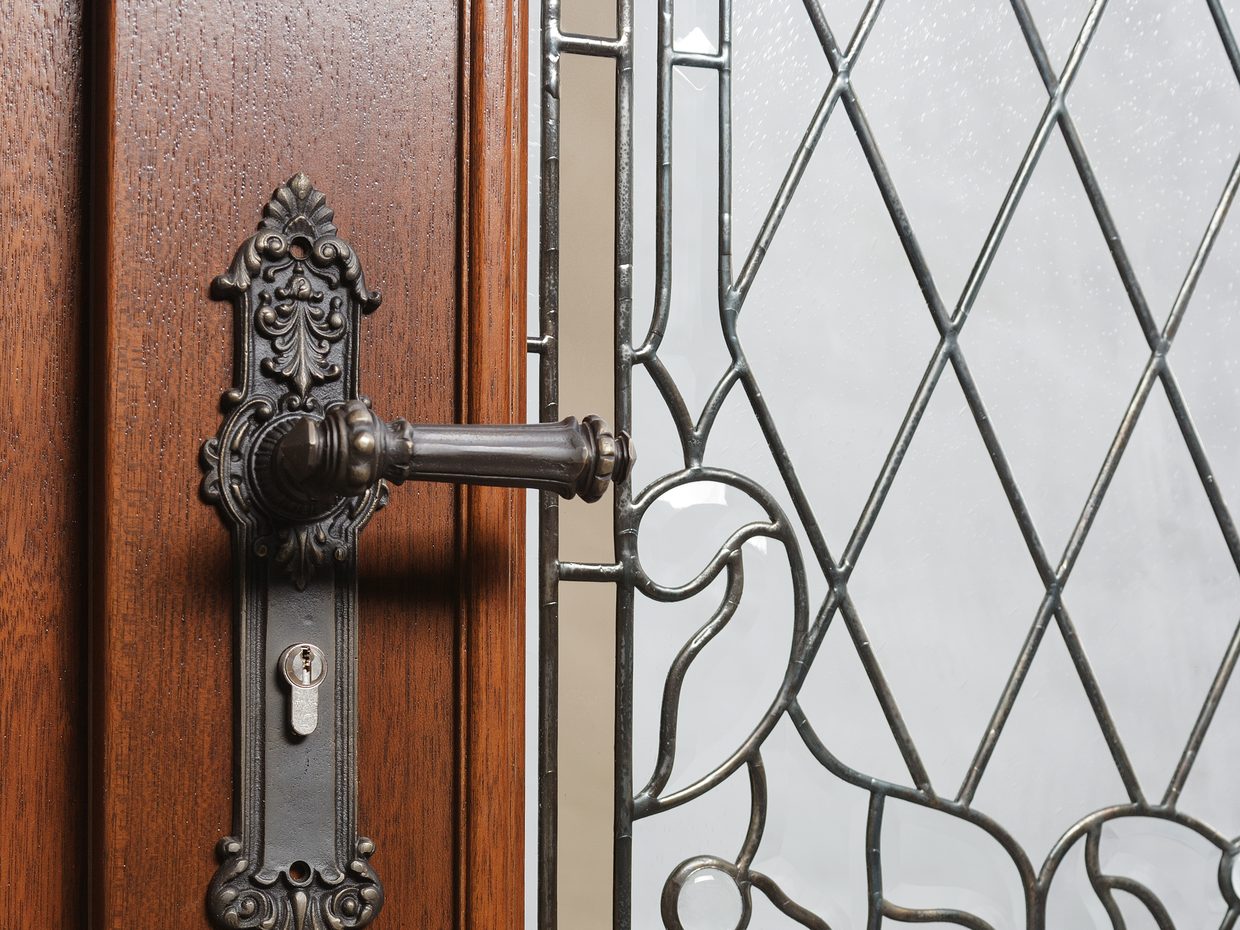
Period-style handle with an ornate backplate on a door with stained glass
Period-style handle
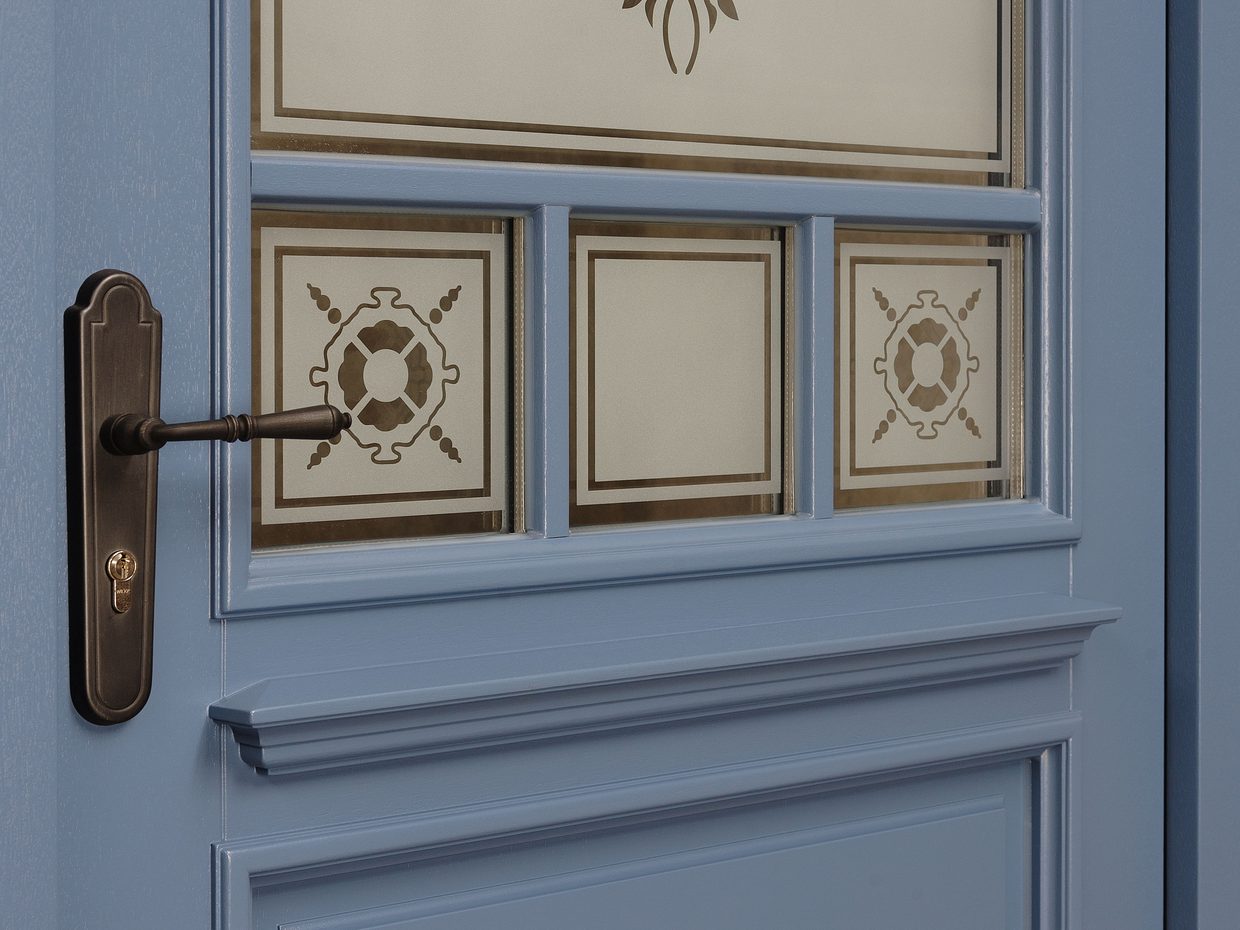
Black handle with a backplate on a blue door with a decorative glazed panel
Black handle
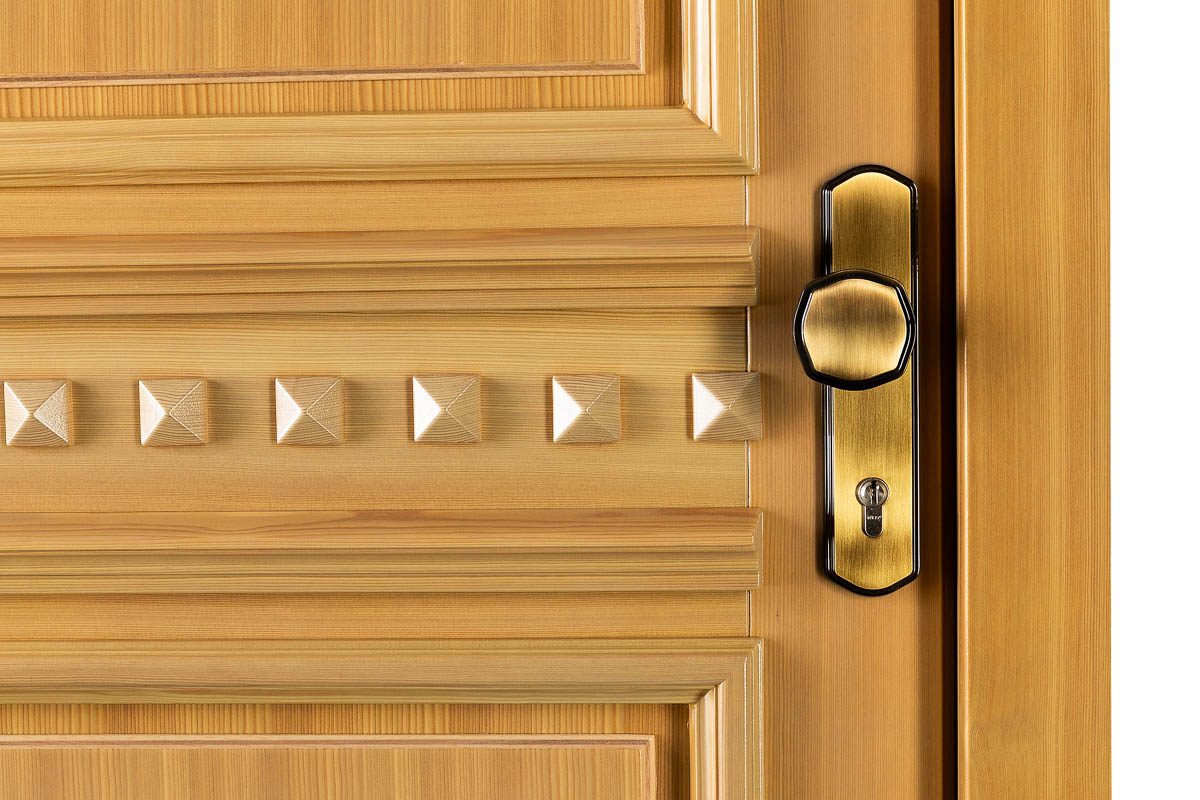
Oval knob in gold with a backplate on a door in a warm wood tone
Oval knob in gold
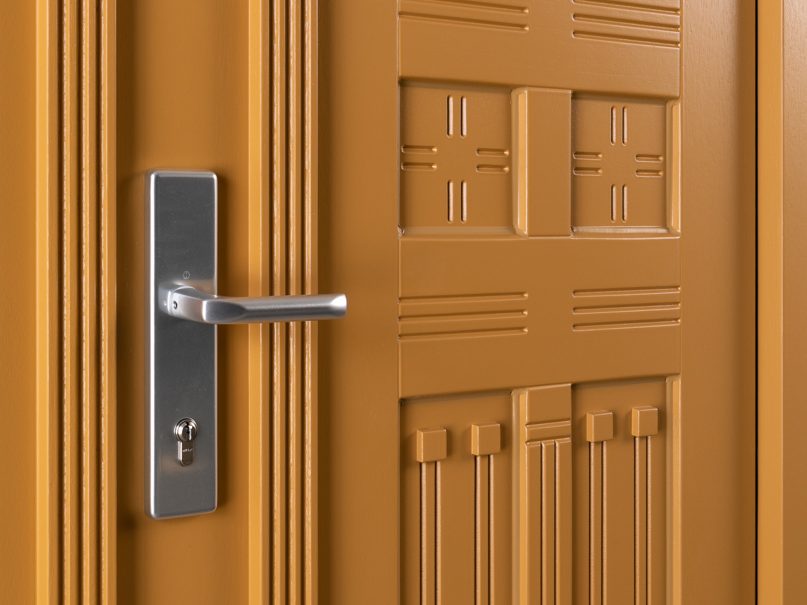
Handle in silver with a backplate on a door in a warm wood tone
Handle in silver
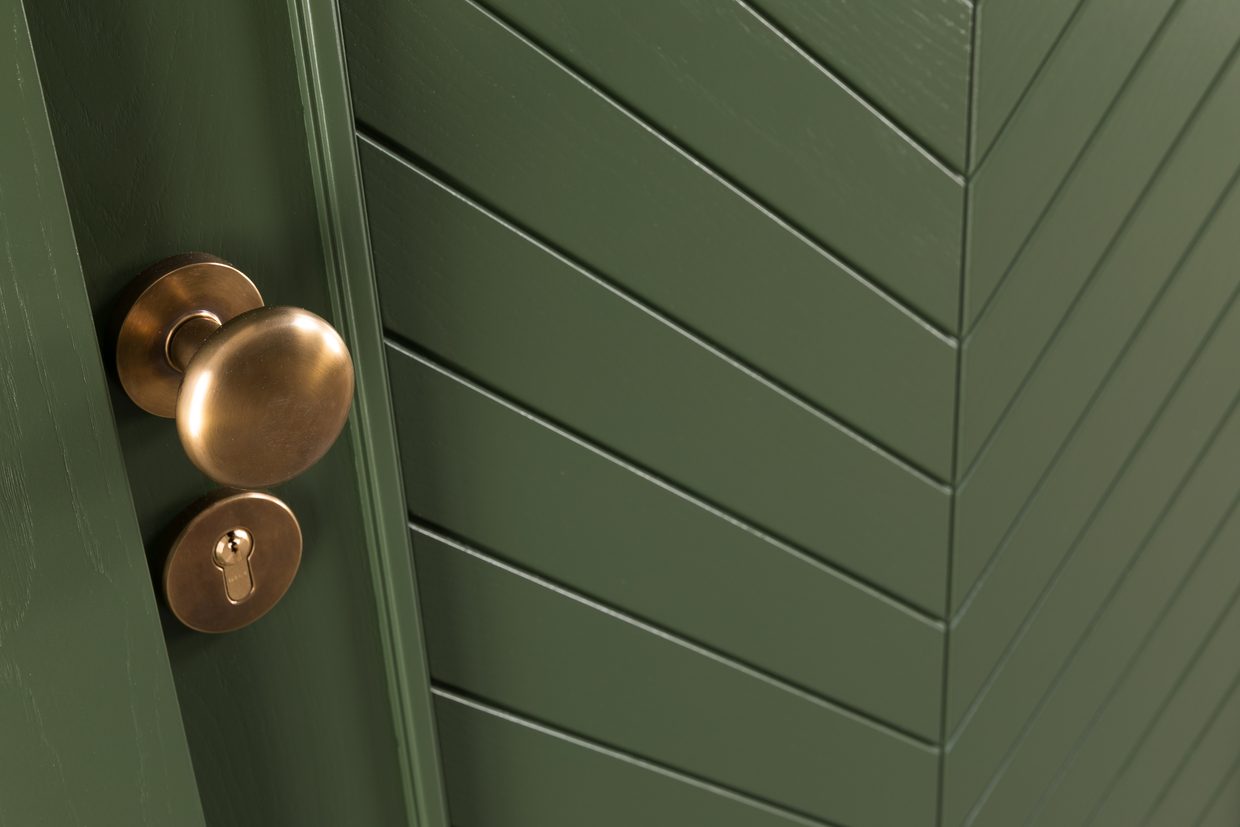
Round knob in gold on a green door with boards laid in a herringbone pattern
Round knob in gold
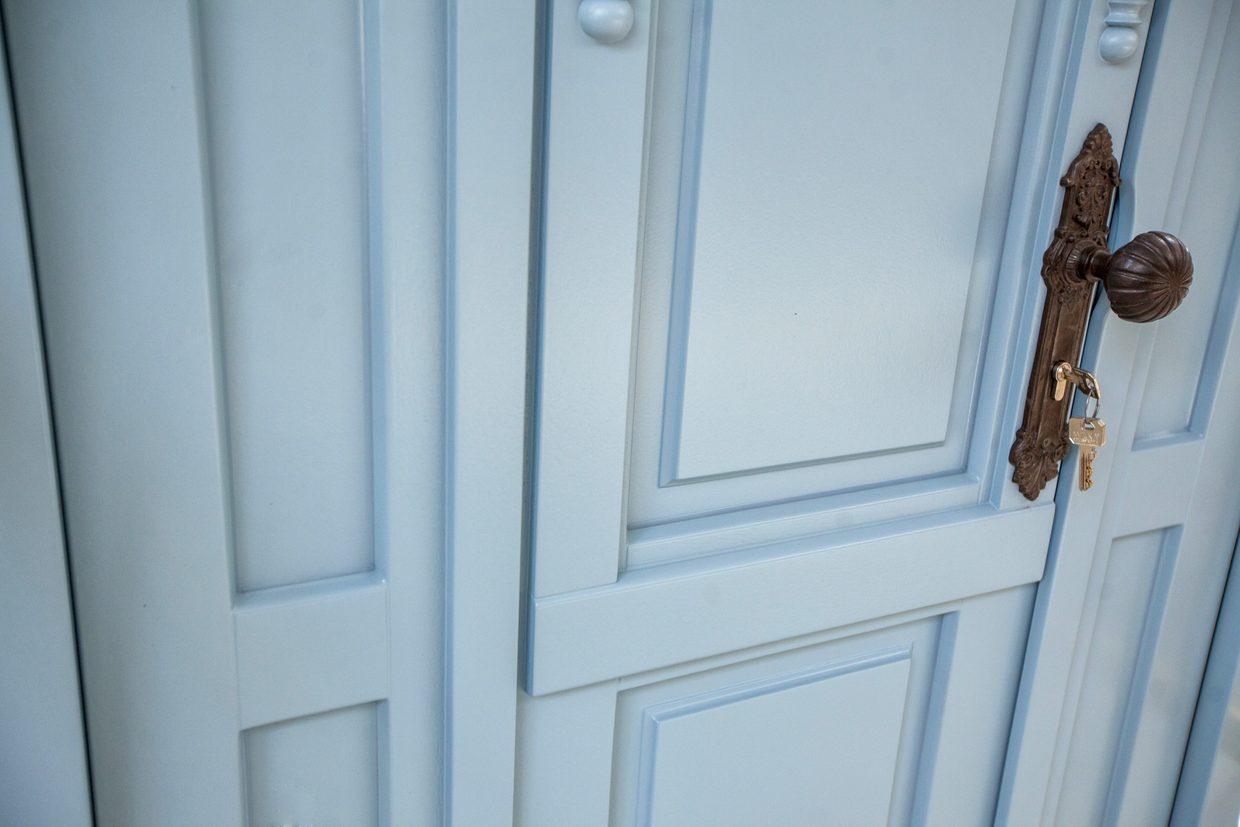
Period-style knob with a backplate on a pale blue door
Period-style knob

Colour

Colour and paint coating of the joinery.

Colours and stains

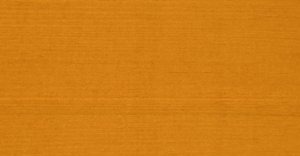
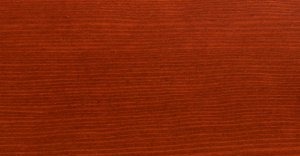
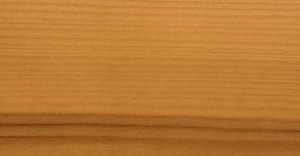
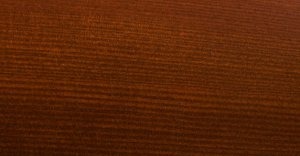
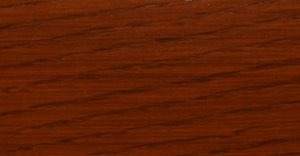
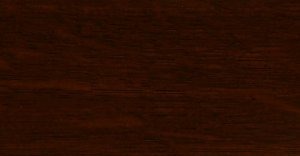
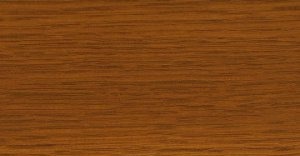
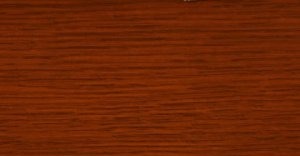
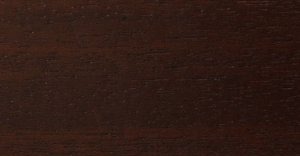
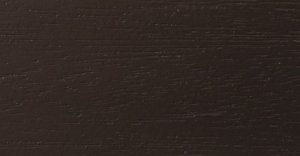
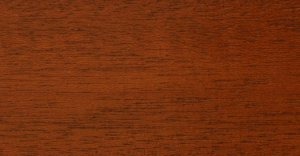
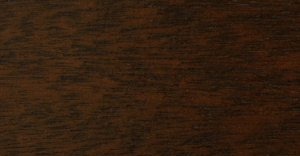
The colour of an external door is usually chosen to go with the windows and the colour of the walls. The samples below show the most popular colours and roughly how they look on different timber species.

As standard we finish the joinery in water-based translucent stains. On request and at extra cost we apply any colour from the RAL chart: an opaque coating does not show the timber grain and, thanks to its high UV filter content, withstands the weather better.

Species and finish

38 samples

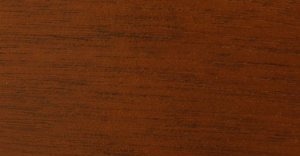
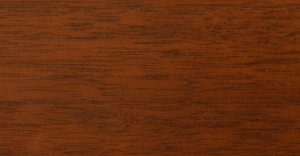
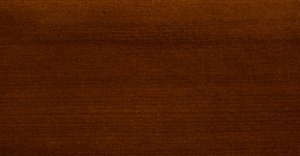
Pine, acajou finish
Acajou Pine
Pine, clear finish
Clear Pine
Pine, iroko finish
Iroko Pine
Pine, old pine finish
Old pine Pine
Pine, sapelli finish
Sapelli Pine
Pine, stone pine finish
Stone pine Pine
Pine, walnut finish
Walnut Pine
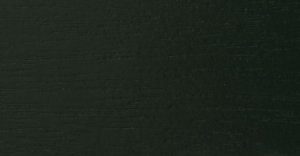
Pine, wenge finish
Wenge Pine
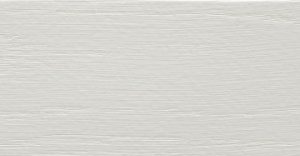
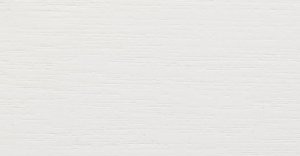
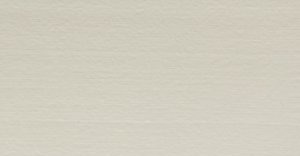
Pine, white finish
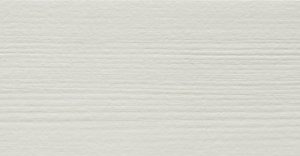
White Pine
Oak, light oak finish
Light oak Oak
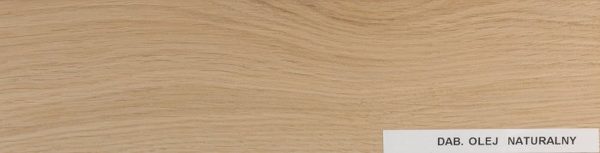
Oak, natural oil finish
Natural oil Oak
Oak, russet finish
Russet Oak
Oak, rustic finish
Rustic Oak
Oak, toffee finish
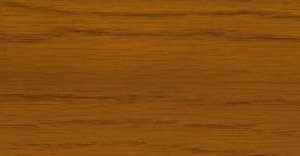
Toffee Oak
Oak, walnut basia finish
Walnut Basia Oak
Oak, white finish
White Oak
Meranti, caramel finish
Caramel Meranti
Meranti, honey, gloss finish
Honey, gloss Meranti
Meranti, light oak, gloss finish
Light oak, gloss Meranti
Meranti, light rosewood finish
Light rosewood Meranti
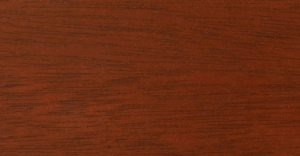
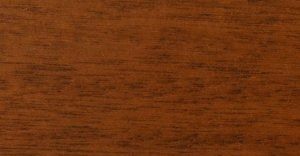
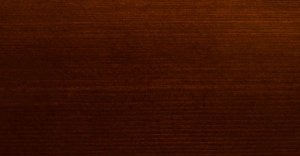
Meranti, mahogany finish
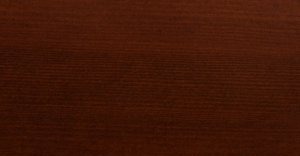
Mahogany Meranti
Meranti, olive green finish
Olive green Meranti
Meranti, rosewood wp560 finish
Rosewood WP560 Meranti
Meranti, rosewood brown finish
Rosewood brown Meranti
Meranti, russet finish
Russet Meranti
Meranti, rustic finish
Rustic Meranti
Meranti, walnut finish
Walnut Meranti
Meranti, walnut basia finish
Walnut Basia Meranti
Meranti, white finish
White Meranti
Larch, acajou finish
Acajou Larch
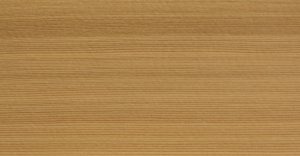
Larch, clear finish
Clear Larch
Larch, iroko finish
Iroko Larch
Larch, old pine finish
Old pine Larch
Larch, sapelli finish
Sapelli Larch
Larch, stone pine finish
Stone pine Larch
Larch, walnut finish
Walnut Larch
Larch, wenge finish
Wenge Larch
Larch, white finish
White Larch

The samples show roughly how the colour looks on a given timber species. The final appearance of the joinery depends on the type of timber, its colour and grain, and the type of paint coating.

Finish

Coating types

The final appearance of the joinery depends on the timber species, its colour and grain, and the type of paint coating.

  • Translucent stain: the timber grain remains visible
  • Opaque: the grain is not visible
  • Oiled: translucent, penetrates deeply
Finish

RAL colour chart

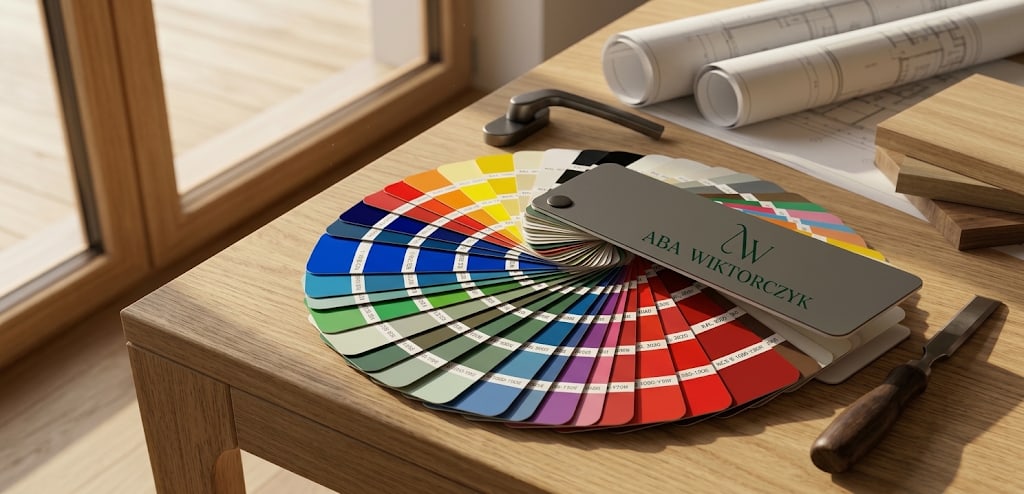
RAL colour chart fanned out on a timber worktop, with technical drawings and a chisel beside it

Beyond the colours and stains shown above, we paint the joinery in any colour from the RAL chart, more than three hundred colours, at extra cost. By prior arrangement we can also use another paint available on the market, or a finish in a different technique is also possible.

Questions and answers

Frequently asked questions about external doors

Doors can open inwards or outwards. In private houses they usually open inwards; in public buildings they should open outwards. In outward-opening doors the hinges have additional hinge-side security.

The standard range includes twelve colours on mahogany and seven on pine. We also paint doors in any colour from the RAL chart, at extra cost. The coloured paints have a high UV filter content, so the coating withstands the weather better.

Yes. We make double-leaf doors and doors with a side panel, fixed or opening. The catalogue shows the leaf layouts together with the number of models.

Doors can be fitted with hinge-side security, an electric strike, a pull handle and a magnetic contact, i.e. an opening sensor that works with the alarm system. A door closer and a fingerprint, card or keypad reader are also available.

Timber doors as a whole are not burglar-resistant doors. Burglary resistance certificates apply to individual components: the glass, lock, handle, security escutcheon and cylinders.

We treat every order individually and do not work to standard dimensions. Clients can supply their own door design and, if it can be manufactured, we make it to the pattern supplied.

Catalogue

Choose the look from the catalogue

The scope above is common to all models. The catalogue shows the collections, leaf layouts and glazing.