Technology and features Internal doors

Construction types and standard specification. What is the same in every model in the catalogue, whatever it looks like.

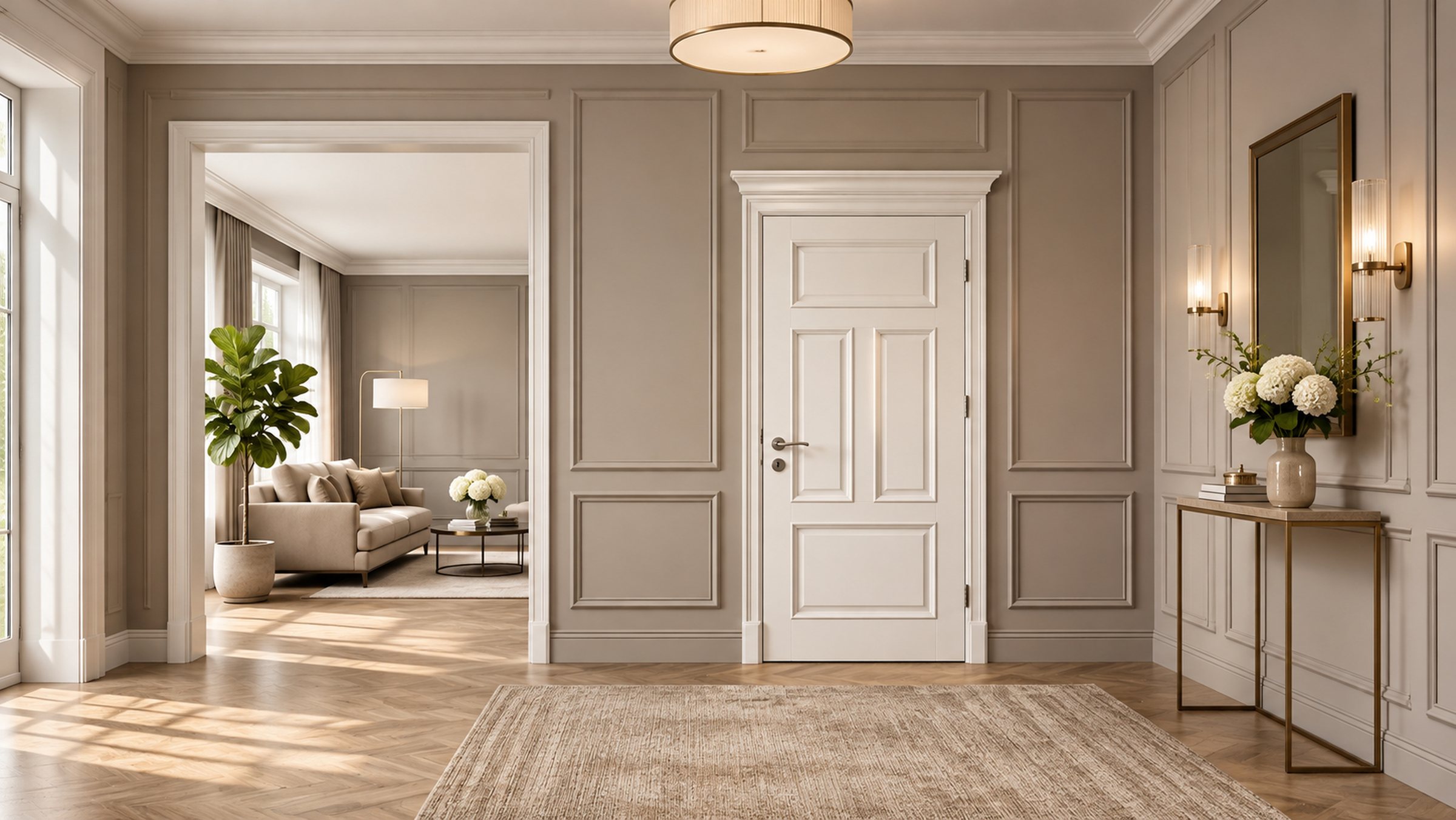
White timber internal door from the Retro collection in a bright panelled hallway

Technology

Leaf construction and fitting method, common to all models in the catalogue.

Leaf construction

We make door linings and architraves from solid timber. For production we use oak, meranti, pine and larch. The doors are protected against moisture, so they can go in any room, including bathrooms and kitchens. Timber also provides good sound insulation.

Panelled doors

Leaf made entirely of laminated solid timber.

Leaf
solid
Lock
Metalplast, 72 centres

Hollow-core doors

Door lining and architraves in solid timber, leaf with a tubular chipboard core.

Leaf
tubular chipboard
Veneer
natural, choice available

Rebated, flush-fitting and sliding

We make both constructions in each of the three variants. The choice changes how the closed door looks and how it works day to day.

Rebated

The leaf sits slightly proud of the door lining. The rebate, also called a lip, overlaps the lining and hides the lock and the gap. The hinges remain visible.

  • Simple construction
  • Easy installation and hinge adjustment
  • Good acoustic properties
  • High durability

Flush-fitting

The leaf sits directly in the door lining, and the edge of the closed door is flush with it. The hinges stay concealed; models with visible hinges are also available.

  • Less risk of trapped fingers
  • A wider clear opening
  • Wheelchair access
  • Easier to keep clean

Sliding

We also make every model in the catalogue as a sliding door.

  • Suits rooms with an unusual layout
  • A solid leaf that does not need wedging when there is a draught
  • Less risk of slamming
  • A lock or bolt can be fitted if needed

When choosing flush-fitting doors: production requires different technology, so the price is higher than for rebated doors. The hinges need precise adjustment, and changing the door type in an existing opening means replacing the door lining.

Rebated doors – which interiors they suit

Rebated doors are still the most popular type of door, common in housing and beyond. The rebate conceals the lock and the gap at the door lining, so the whole construction looks visually lighter. They are also valued for their versatile, timeless character.

Because of their classic look, rebated doors are intended above all for traditionally furnished interiors, such as Provençal, romantic or retro style. Today, however, thanks to the wide choice of models, rebated doors also suit modern interiors.

We particularly recommend rebated doors for small rooms that are rarely closed. Thanks to the concealed lock, the open door leaf always looks neat.

What to look for when choosing rebated doors

The most important parameter to know before buying a door is its size. To choose a model with the right dimensions, the width and height of the wall opening must be measured accurately. Next, it is worth thinking about the design and colour of the door so that it matches the interior. Rebated doors look excellent combined with glazing bars and decorative details.

Flush-fitting doors – advantages

Flush-fitting (non-rebated) doors are regarded as a modern construction. Because the whole leaf sits within the lining, it forms a single composition with it and also hides the hinges. This also makes flush-fitting doors look more substantial than traditionally built doors, so they can be used in many interiors. Although they are not the most common type of door, they are winning more and more fans, thanks to their versatile design and the use of a magnetic lock.

Flush-fitting doors are widely considered the best choice when there are small children or pets at home. In this type of construction, the way the leaf closes minimises the risk of trapped fingers. Another advantage of the single-plane layout is that the free floor area around the door looks larger. Flush-fitting doors allow a larger door opening, so the room feels more spacious and more light reaches it. Contrary to popular belief, non-rebated doors are just as durable as other types of door.

Flush-fitting doors are also easier to keep clean: with no rebate, there is nowhere for dirt to collect. If the leaf ever needs replacing, the cost of the repair is considerably lower than with rebated doors.

They are also an excellent solution for people with disabilities. The frameless construction makes it easier for wheelchair users to pass through and lets them move freely around the home.

Where flush-fitting doors are most often fitted

Flush-fitting internal doors are usually used in narrow rooms, because they look as if they were built into the wall. They also work well in tight hallways. Flush-fitting doors are chosen above all by people who want to furnish their home or office in a modern, industrial or minimalist style. That does not mean, however, that flush-fitting doors look out of place in other interiors.

Door types we offer

Our range includes internal doors that are rebated, flush-fitting, reverse-opening, folding, pivot or glass, as well as doors with a concealed frame. Sliding doors are a separate group, described above together with the leaf construction.

We make all of them to measure only - we have no standard sizes for mass production. The catalogue on the website serves as inspiration and a starting point for discussion, and we tailor every door to the client’s needs, the architect’s vision and the style of the interior.

Standard features

Items included as standard with every internal door.

Standard specification

Items included as standard with internal doors, common to both constructions and all models in the catalogue.

  • Finish Painted with water-based paints, surface reinforced with a polyurethane lacquer resistant to mechanical damage
  • Door lining Solid timber, adjustable, matched to the wall thickness
  • Architrave Solid timber, adjustable to fit uneven reveals. Plain, half-round or with a decorative moulding
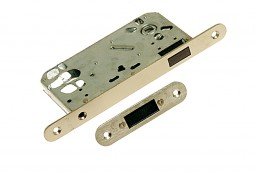
  • Lock Mortice latch lock with strike plate. Faceplate colour matched to the hinges and handle
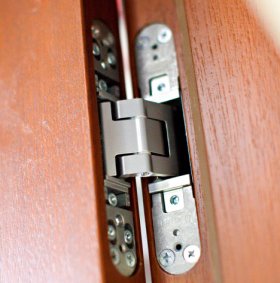
  • Hinges Simonswerk, in silver or brown. Rebated doors have a three-part screw-in hinge on plain bearings, maintenance-free. Flush-fitting doors have Simonswerk TECTUS concealed hinges
  • Seal Noise-reducing, by PRIMO
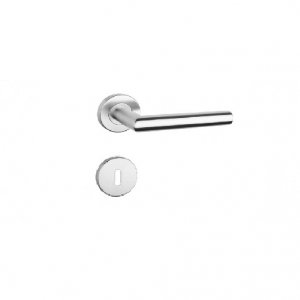
  • Handles and knobs Standard set. At extra cost, a wide range of traditional and decorative handles, for example Tupai with a square or round rose or a long backplate
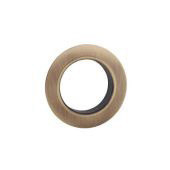
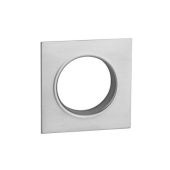
  • Ventilation Bathroom doors have ventilation grilles, round or square, or a slight undercut of the leaf

Close up

Details you only notice on the finished door close up away.

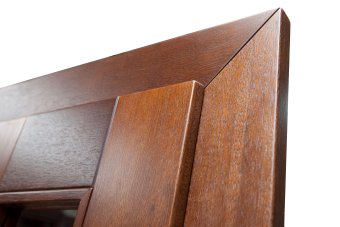
Edge of a rebated leaf, with the rebate overlapping the door lining
Rebate
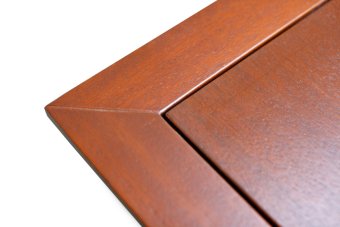
Edge of a flush-fitting leaf, flush with the door lining
Flush-fitting edge
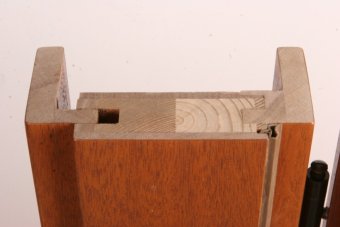
Section through a timber door lining with an adjustable architrave
Door lining and architrave
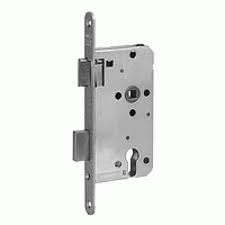
Mortice lock with latch and strike plate
Mortice lock
Simonswerk TECTUS concealed hinge in a flush-fitting leaf
TECTUS concealed hinge
Tupai handle with a round rose
Handle with rose
Round ventilation grille in a bathroom door leaf
Round grille
Square ventilation grille in a bathroom door leaf
Square grille

Optional extras

Solutions chosen for a specific project, beyond the standard specification.

Oiled and patinated finish

As standard, we paint doors with water-based lacquers. The range is complemented by oiled and patinated doors, which are finished differently from painted ones.

Oiling means saturating the surface with natural oils. The oil is rubbed in by hand, so the structure of the wood remains visible, while the surface is hardened and protected against moisture and sunlight.

  • accentuated grain and figure
  • richer colour
  • satin sheen

Patination gives the doors a visually aged look. They take on a retro appearance with accentuated grain, which makes them a good match for interiors in a retro, rustic or Scandinavian style.

Glazed panels and stained glass

Glazed panels bring light into rooms and allow areas within the building to be subtly separated. We make the panes in various shapes, sizes and colours, in frosted, sandblasted, patterned or stained glass.

With patterned glass and stained glass, the decorative elements are enclosed within the sealed unit, so they are easy to maintain. We also make stained glass to an individual design.

How to choose glazed internal doors for an interior

Internal doors are an important part of an interior, so their style should match the furnishings of the room. Internal doors kept in one consistent line that echoes the surrounding design create an orderly living space.

We make glazed timber internal doors to order, in the chosen style, and advise on matching them to the look of the interior.

Patterned glass designs

  • Szynszyla, in white and brown
  • Deszczyk, in white and brown
  • Silvit, in white and brown
  • Alt Deutsch, in clear and brown
  • Kocie łapy
  • Picasso
  • Delta polska and Delta biała mat
  • Crepi
  • Flutes
  • Master Ligne, Master Point, Master Ray, Master Shaine
  • Niagara
  • Waterdrop

Samples of the designs are available to view when choosing a model.

Magnetic latch

The aesthetic benefits of this solution are most visible in flush-fitting doors. The latch works by the attraction of opposite poles of magnets placed in the leaf and in the strike plate. We use LOB latches, certified for their service life.
LOB magnetic latch with strike plate
  • The latch bolt retracts when the door is open
  • Strike plate not visible from the face of the door lining
  • Catches as the leaf closes against the seal, with no metallic sound

Colour

Colour and paint coating of the joinery.

Colours and stains

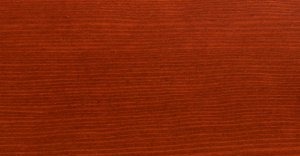
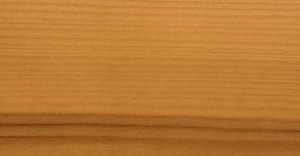
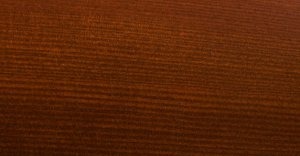
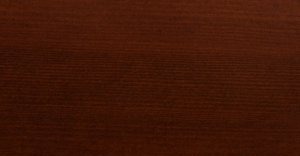
Colours and stains for internal doors. We paint the surface with water-based paints and reinforce it with a polyurethane lacquer that resists mechanical damage.
Species and finish

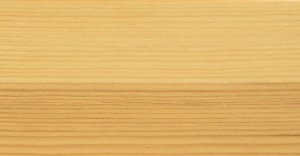
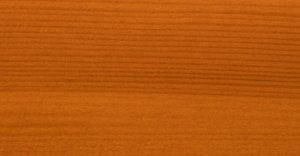
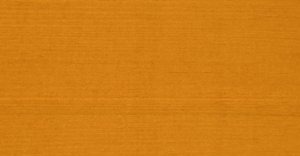
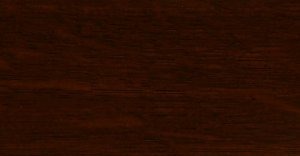
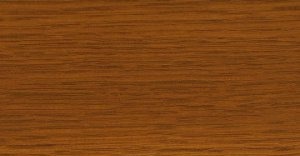
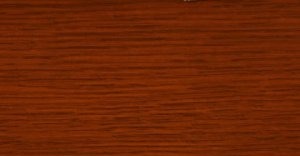
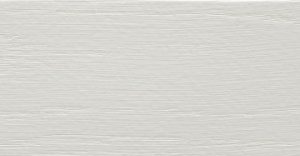
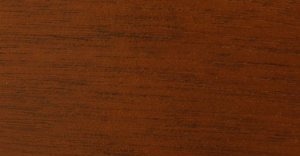
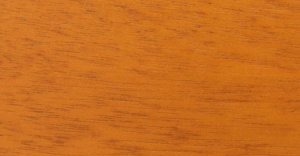
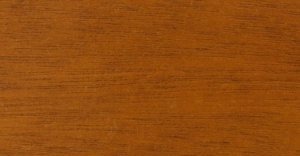
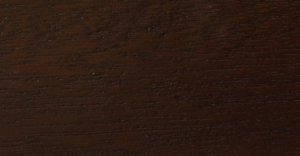
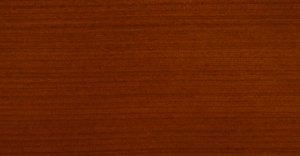
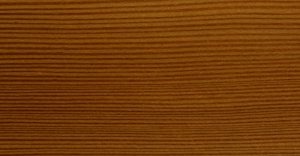
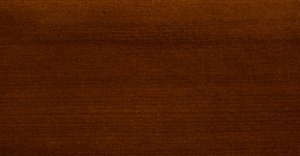
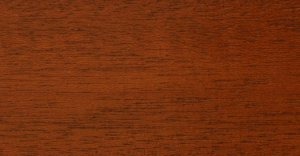
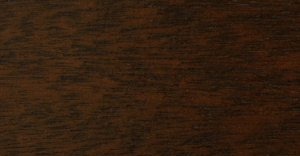
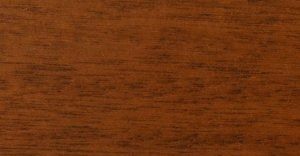
38 samples

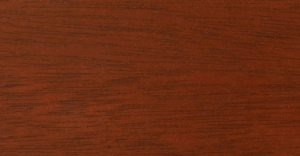
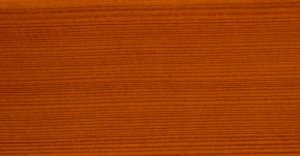
Pine, acajou finish
Acajou Pine
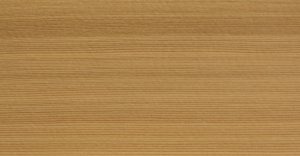
Pine, clear finish
Clear Pine
Pine, iroko finish
Iroko Pine
Pine, old pine finish
Old pine Pine
Pine, sapelli finish
Sapelli Pine
Pine, stone pine finish
Stone pine Pine
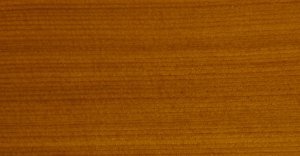
Pine, walnut finish
Walnut Pine
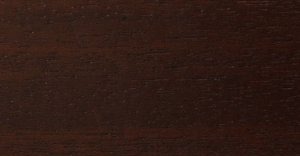
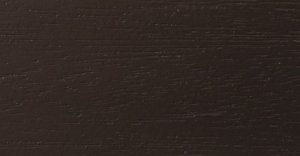
Pine, wenge finish
Wenge Pine
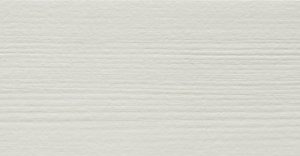
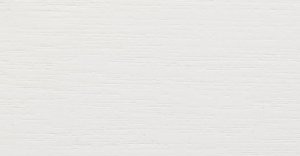
Pine, white finish
White Pine
Oak, light oak finish
Light oak Oak
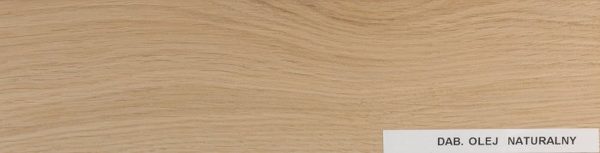
Oak, natural oil finish
Natural oil Oak
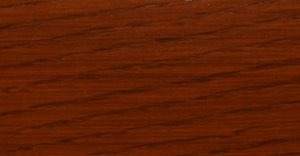
Oak, russet finish
Russet Oak
Oak, rustic finish
Rustic Oak
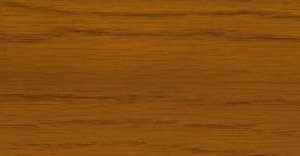
Oak, toffee finish
Toffee Oak
Oak, walnut basia finish
Walnut Basia Oak
Oak, white finish
White Oak
Meranti, caramel finish
Caramel Meranti
Meranti, honey, gloss finish
Honey, gloss Meranti
Meranti, light oak, gloss finish
Light oak, gloss Meranti
Meranti, light rosewood finish
Light rosewood Meranti
Meranti, mahogany finish
Mahogany Meranti
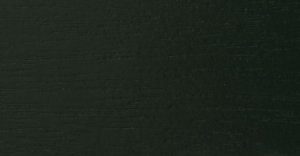
Meranti, olive green finish
Olive green Meranti
Meranti, rosewood wp560 finish
Rosewood WP560 Meranti
Meranti, rosewood brown finish
Rosewood brown Meranti
Meranti, russet finish
Russet Meranti
Meranti, rustic finish
Rustic Meranti
Meranti, walnut finish
Walnut Meranti
Meranti, walnut basia finish
Walnut Basia Meranti
Meranti, white finish
White Meranti
Larch, acajou finish
Acajou Larch
Larch, clear finish
Clear Larch
Larch, iroko finish
Iroko Larch
Larch, old pine finish
Old pine Larch
Larch, sapelli finish
Sapelli Larch
Larch, stone pine finish
Stone pine Larch
Larch, walnut finish
Walnut Larch
Larch, wenge finish
Wenge Larch
Larch, white finish
White Larch

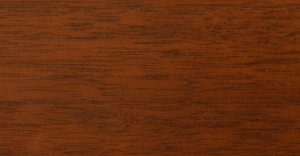
The samples show roughly how the colour looks on a given timber species. The final appearance of the joinery depends on the type of timber, its colour and grain, and the type of paint coating.
Finish

Coating types

The final appearance of the joinery depends on the timber species, its colour and grain, and the type of paint coating.

  • Translucent stain: the timber grain remains visible
  • Opaque: the grain is not visible
  • Oiled: translucent, penetrates deeply
Finish

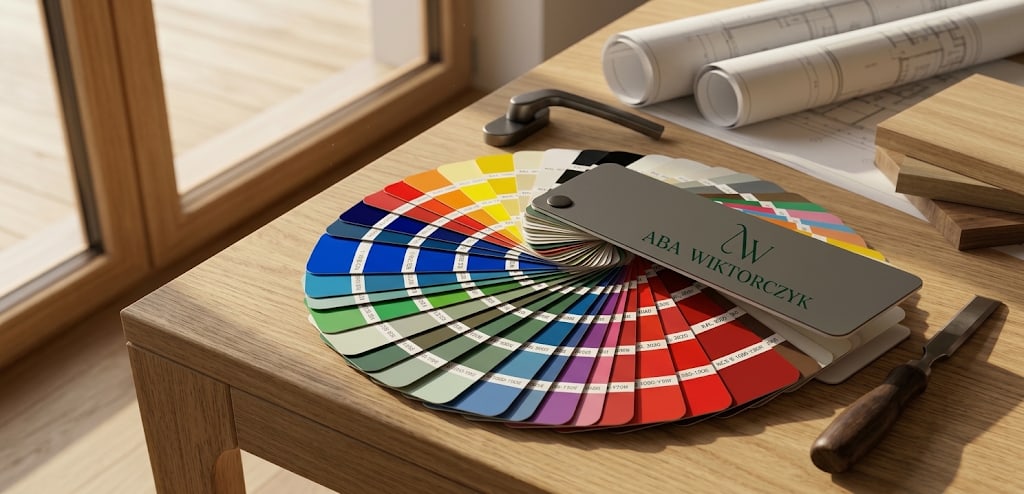
RAL colour chart

RAL colour chart fanned out on a timber worktop, with technical drawings and a chisel beside it

Beyond the colours and stains shown above, we paint the joinery in any colour from the RAL chart, more than three hundred colours, at extra cost. By prior arrangement we can also use another paint available on the market, or a finish in a different technique is also possible. We also finish internal doors with oil and wax.

Catalogue

Choose the look from the catalogue

The scope above is common to all models. The catalogue shows the collections, leaf layouts and glazing.